People & workflow
Role design, repetitive work, rework, handoffs, bottlenecks, training gaps, tool adoption, and capacity that can be redirected or transitioned.
 ™
™Human-led assessment / Business performance
Team357™ examines how work moves across the company, then identifies where people, AI, automation, robotics, and better systems can reduce cost, strengthen margins, and improve performance.
01 / What we examine
This is not an automated scan. Recommendations follow leadership sessions, employee interviews, direct observation, system review, and operating data.
Role design, repetitive work, rework, handoffs, bottlenecks, training gaps, tool adoption, and capacity that can be redirected or transitioned.
Lead intake, response time, quoting, follow-up, conversion friction, service, and retention.
Software, applications, subscriptions, integrations, reporting, data flow, AI use cases, reliability, and vendor overlap.
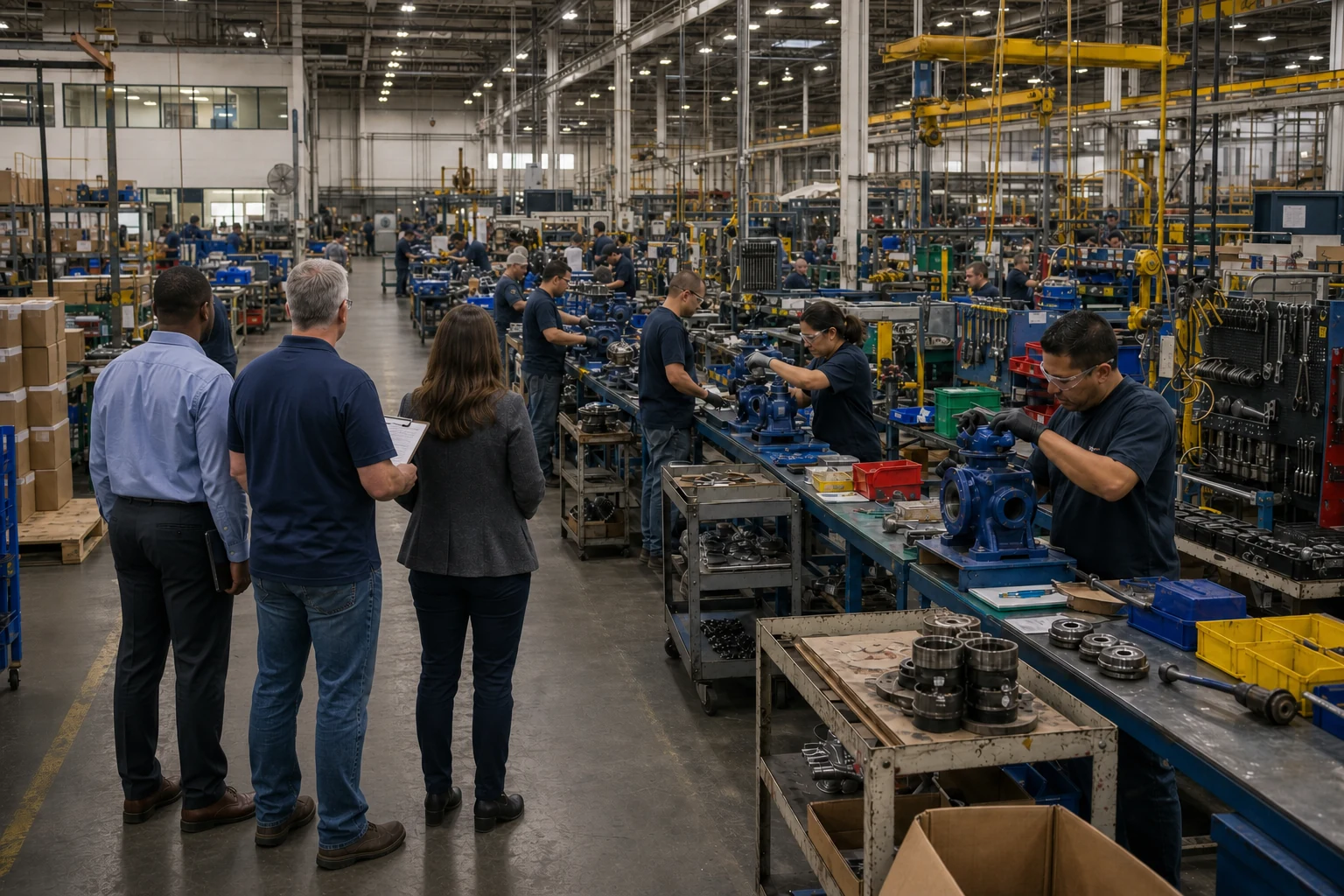
Line balance, human–machine work allocation, material flow, throughput, downtime, changeovers, quality, robotics, and automation opportunities.
Purchasing, supplier flow, stock visibility, warehousing, picking, packing, fulfillment, scheduling, and delivery friction.
Margins, recurring cost, capital priorities, cyber exposure, continuity, ownership, measurable return, sequencing, and change management.

02 / How the assessment works
Every engagement is scaled to the company. The goal is a concise decision plan, not a report that sits unused.
Define leadership goals, collect essential operating information, and select the teams, workflows, and locations to examine.
Speak with leaders and employees, watch the work, and compare the written process with what actually happens.
Map friction, establish cost and capacity baselines, identify AI, automation, robotics, and workforce opportunities, and evaluate transition risk.
Deliver a ranked roadmap showing expected financial and operating value, investment, ownership, timing, measures, and next steps.
03 / Engagements
Fixed-fee discovery keeps the first engagement clear. Pricing reflects company size, locations, systems, interviews, and depth of analysis.
A leadership diagnostic of where AI, automation, and operating redesign can reduce cost, expand capacity, improve decisions, and strengthen returns.
A human-led examination of roles, workflows, technology, customer operations, cost structure, production, inventory, supply, and fulfillment.
A structured operational site survey combining leadership and employee interviews with direct observation of daily work across office, production, inventory, and shipping.
Ongoing senior-level guidance to convert the roadmap into operating change, including technology selection, workforce transition, implementation governance, and measured return.
04 / Responsible productivity
The first objective is to help capable people do more by removing duplicate entry, rework, slow handoffs, errors, and low-value administration. Recommendations begin with measured baselines and the work as it is actually performed.
Where work can be automated reliably, we evaluate whether roles should be redesigned, consolidated, transitioned, or reskilled to supervise AI, automation, and robotics. Leaders receive evidence, implementation options, transition considerations, and measures of financial and operating impact.
05 / AI and cyber governance
Advisory work considers AI reliability, sensitive data, oversight, vendor risk, access, continuity, and governance. Specialized security, legal, and compliance work is referred to qualified professionals.
Confidential owner-level conversation